Robots Are No Longer Science Fiction: How to Invest in the Humanoid Robot Market

In this article, we will discuss humanoid robot investment and the opportunities it presents for Malaysian investors.
Have you ever imagined a world where robots walk beside us, help carry goods in warehouses, or guard premises? What was once only seen in films like I, Robot is about to become reality — and more importantly, it represents an investment opportunity through company shares.

According to the latest analysis from Barclays, the humanoid robot market is expected to surge to US$200 billion (approximately RM880 billion) within just a few years. This is not about children's toy robots — this is about steel "workers" that will transform global industries.
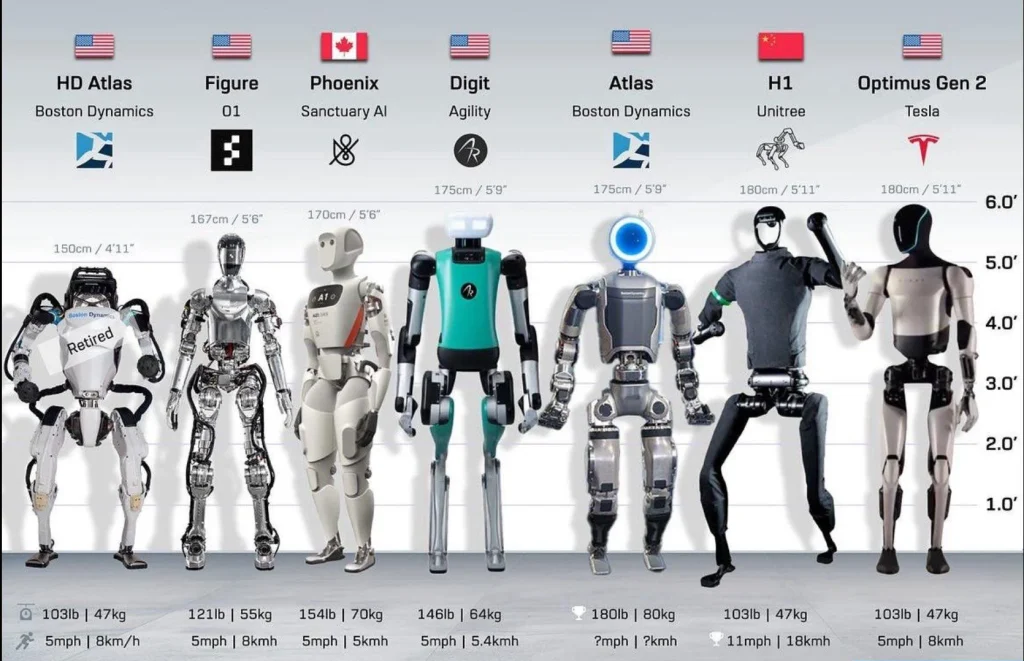
Why Humanoid Robots Are Suddenly "Hot"
You might be wondering, "Why now?" The answer is simple: technology has matured enough to create robots that can function in the human world.
Here is why investors are starting to pay attention to this sector:
- No Factory Modifications Needed: Humanoid robots are designed to function in spaces already built for humans. No need to demolish walls or change expensive factory layouts.
- Smarter Brains & Senses: With more advanced sensors and actuators (robot muscles), they can perform tasks with greater precision and efficiency.
- Beyond the Factory Floor: Apart from logistics, these robots are also being seriously considered for the defence and security sectors.
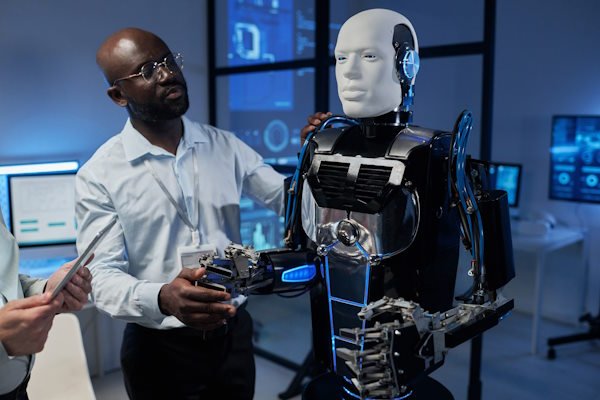
3 Ways to Start Investing
If you are interested in riding the trend in this industry, the Barclays report suggests three main approaches to invest your capital:
Component Companies (The Parts Makers)
Robots need "muscles" and "senses". You can invest in companies that produce advanced actuators (motion devices) and sensors. Without these components, a robot is nothing more than scrap metal that cannot move.
Technology Giants (The Big Players)
These are the household names we always hear about. Companies like Tesla (with their Optimus robot) and Boston Dynamics are at the forefront. Investing in companies with substantial R&D budgets is a more stable approach for the long term.
Critical Minerals Sector (The Raw Materials)
To build robots, you need raw materials. Rare earth minerals are crucial in manufacturing batteries and electronic components for robots. Critical mineral mining companies are the "unsung heroes" of the robotics supply chain.
Read more about the companies involved in the humanoid industry: Watchlist 2026: Humanoid Robot & Mineral Stocks You Should Know
What Investors Should Watch
The corporate world is currently buzzing with Mergers and Acquisitions (M&A) activity. Major companies are racing to acquire small startups with impressive technology to strengthen their market position.
For ordinary investors like us, this is a sign that the industry is expanding rapidly.
Beginner's Tip: Do not put all your eggs in one basket. If you feel that robotics company shares are too risky, you may want to consider ETFs (Exchange Traded Funds) that focus on the robotics and automation sector.
Economic Revolution
The humanoid robot market is no longer just a futuristic vision — it is evolving into a new economic revolution.
With rapid advances in artificial intelligence, robotics, computing, and growing global demand, humanoid robots have the potential to become one of the key growth engines of the coming decade.
In this context, investors who position themselves early stand to enjoy significant returns as this market fully matures. Humanoid robots are not merely replacing humans in certain tasks — they have the potential to fundamentally change how the global economy functions.
Professional Outlook
In our professional view, the humanoid robot theme is at a similar stage to the internet in the late 1990s or generative AI in its early phase — the technology exists, costs are declining, and commercial applications are taking shape, but market penetration is still in its early stages.
What distinguishes humanoid robots from traditional automation is their ability to operate in a world designed for humans, without requiring major changes to existing infrastructure.
This makes the scale of adoption far broader — from factories and warehouses to services, healthcare and security.
However, like all emerging technologies, not all players will succeed. The main risks lie in production costs, technology reliability, regulations, and the rate of market adoption.
Therefore, an investment approach focused on the value chain, rather than just end-product robot developers, is more strategic.
Source: MarketWatch
Frequently Asked Questions (FAQ)
What is the projected market value of humanoid robots?
According to Barclays' analysis, the humanoid robot market is expected to surge to US$200 billion (approximately RM880 billion) within the coming years.
What is the best way to invest in the humanoid robot industry?
There are three main approaches: investing in component companies (actuators and sensors), technology giants developing robots, or suppliers of raw materials and critical minerals.
Why are humanoid robots attracting investor interest now?
Technology has matured sufficiently, costs are declining, and humanoid robots can operate in spaces designed for humans without requiring changes to existing infrastructure.
What are the main risks of investing in humanoid robot stocks?
Key risks include high production costs, technology reliability, government regulations, and the rate of market adoption which is still in its early stages.
Understand the humanoid robot industry value chain before making strategic investment decisions.
Open your CDS account via Register CDS Account Mplus to start investing in stocks on Bursa Malaysia.
New to stock investing? Download our Free Stock Basics Ebook to understand the fundamentals before you begin.
Further reading: