Why EPF Contributors Must Understand EPF Stock Buying and Selling

When news about the Employees Provident Fund (EPF) buying or selling shares in major companies appears in the headlines or financial portals, many contributors may dismiss it as just another corporate news story. In reality, every such transaction has a direct bearing on our financial future.
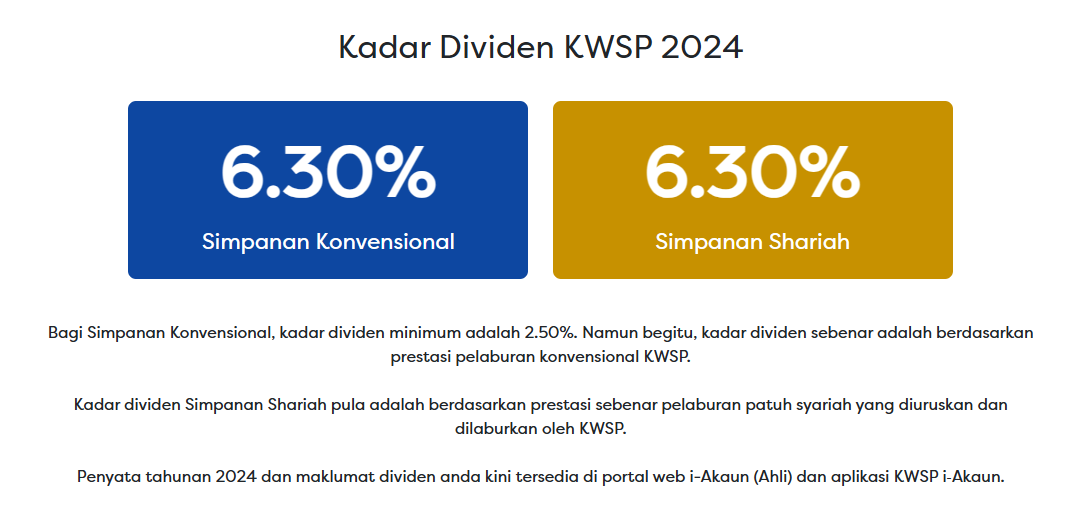
As contributors, understanding the mechanics behind these movements is important because they are not merely market play, but a "bread and butter" strategy that determines how much dividend will eventually be credited into our accounts.
Below are the main reasons why every contributor should pay attention:
1. Paper Gains vs Cash for Dividends
This is the most critical concept. As contributors, we need to understand that EPF cannot pay dividends using "paper gains" (unrealised profit).
If the share price of stocks held by EPF surges dramatically, it only looks impressive in the asset valuation report. However, to pay dividends to millions of contributors, EPF needs actual cash. Therefore, when you see EPF selling shares that are in profit (profit taking), it is a necessary step to convert paper gains into cash. This cash is then distributed as dividends.
2. Securing Future Returns
When EPF is seen buying shares during a market downturn or when prices fall, contributors need not panic. In investment parlance, they are accumulating quality assets at "bargain" prices.
This action is vital to ensure a high dividend yield in the future. By buying at low prices, the average cost becomes cheaper, enabling EPF to generate greater profits when the economic cycle recovers. This is preparation for dividends in the years ahead, not just for the current year.
3. Protecting the Value of Our Savings
Share selling activity is also often a strategic move to avoid major losses. If EPF detects fundamental risks or geopolitical tensions that could affect certain sectors, they will act swiftly to liquidate holdings.
For contributors, this means the fund managers are proactively protecting our capital from erosion. If the net asset value of the fund drops severely due to unsold shares plummeting in price, it will negatively impact EPF's ability to declare a competitive dividend rate.
4. Indicator of Institutional Stability
Seeing EPF actively rebalancing its portfolio — buying in the local market one moment, selling foreign assets the next — gives us confidence that our money is being managed dynamically.
In an uncertain global economic environment, a passive strategy is no longer sufficient. EPF's efficiency in realising gains from overseas investments when foreign currencies strengthen, for example, has proven invaluable in supplementing dividend payments when the domestic market is sluggish.
It Is Not Just Market Noise
For a contributor, news about EPF's share transactions is not mere market noise. It is a performance report on how our retirement savings are working hard.
So, when you see EPF selling a profitable holding, smile. It means they are "locking in" gains to ensure there is enough cash to pay our dividends later.