Climate Risk Could Wipe 8.3% Off Malaysia's GDP: Which Bursa Stocks Win, Which Lose?

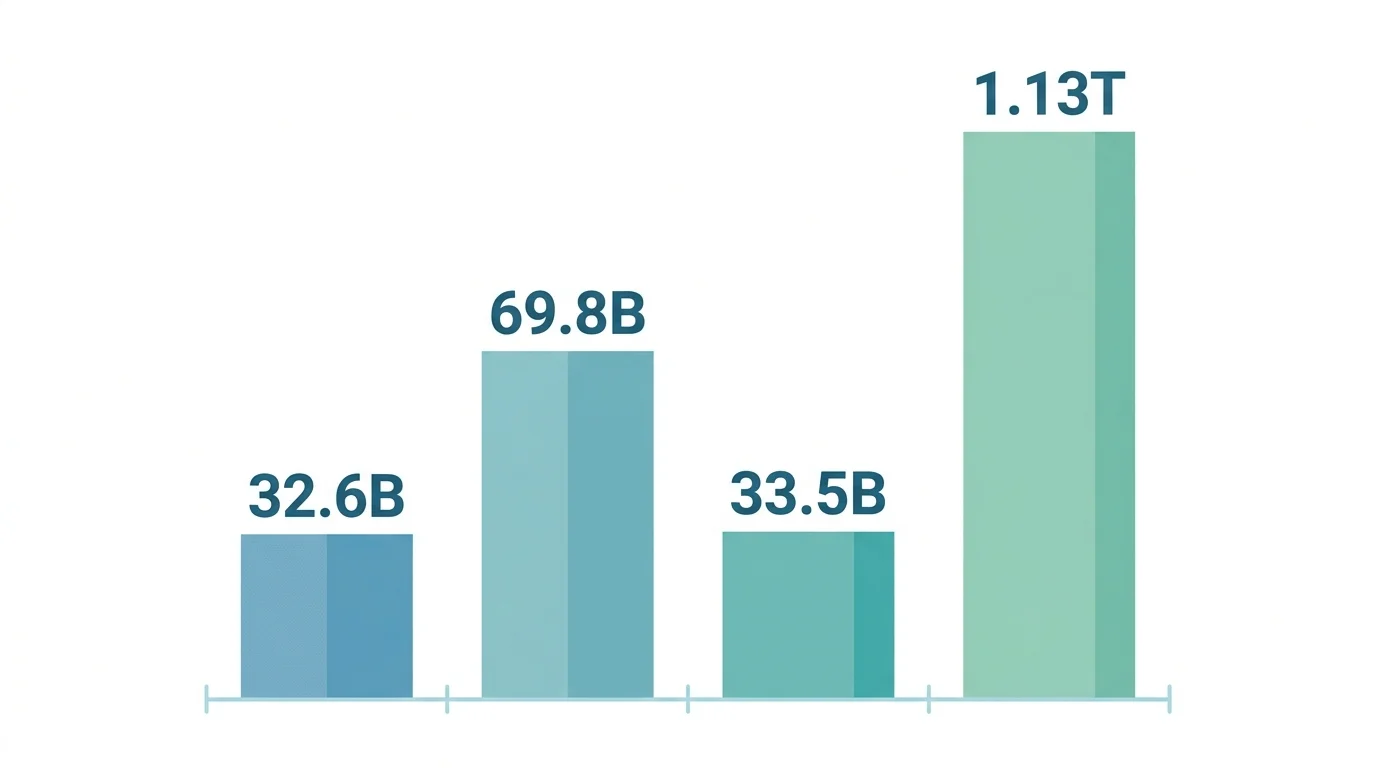
On 4 May 2026, the World Bank released a report that should jolt every Bursa Malaysia investor: in a worst-case scenario, climate change could shave up to 8.3% off Malaysia's Gross Domestic Product (GDP) by 2050, and the country needs US$32.6 billion (RM128.81 billion) just for disaster resilience infrastructure - not counting broader climate adaptation investments that could reach US$1.13 trillion.
This isn't an abstract distant forecast. The 2024 floods alone cost RM933 million (0.05% of GDP), and disaster costs are growing year by year. Eco-Business reports that recent floods have already displaced over 15,000 Malaysians since the start of 2026.
For Bursa retail investors, the key question isn't "will climate impact the economy" - that's clearly YES. The real question is: which stocks will WIN from the trillion-ringgit adaptation investment, and which will LOSE as climate disasters become more frequent?
This article unpacks: - What the World Bank report actually says (CCDR Malaysia 2026) - Breakdown of the US$32.6 billion + sector winner opportunities - 8.3% GDP impact and the most exposed sectors - Concrete investor playbook for Bursa Malaysia retail investors - Short-term risks vs long-term opportunities
What Does the World Bank CCDR 2026 Actually Say?
This report is called the Country Climate and Development Report (CCDR) for Malaysia - a World Bank publication. CCDR is a comprehensive analysis document that combines development agendas with climate policy, with one main goal: identify the best investments to boost the economy while reducing emissions and climate risks.
For Malaysia, the key conclusions:
1. GDP Risk - Base case: Climate will shave a meaningful chunk off GDP growth - Worst case: Up to 8.3% off GDP by 2050 - Floods alone could cost 4.1% of economic output by 2030
2. Investment Needed (Next 25 Years)
| Component | Amount (US$) | Amount (RM) |
|---|---|---|
| Disaster risk reduction | 32.6 billion | ~128.81 billion |
| Water supply | 69.8 billion | ~275 billion |
| Irrigation | 33.5 billion | ~132 billion |
| TOTAL climate adaptation 2050 | 852 billion - 1.13 trillion | ~3.4 - 4.5 trillion |
3. Specific Recommendations - Strengthen land-use planning - Enforce stricter building standards - Invest in flood-resilient infrastructure - Restore natural ecosystems that can absorb and retain water
Marco Larizza, a World Bank official, gave a stark warning: "What the report shows is that if you don't think about (climate) projections and start to plan to reduce those costs today, you might face huge costs (in the future)."
This means: the longer the government and industry delay action, the bigger the disaster bill Malaysia will face. For investors, this makes climate adaptation policy a macro-trend that will dictate many capital decisions over the next decade.
Breaking Down US$32.6 Billion: Sector Winner Opportunities
Let's break down what this US$32.6 billion will be spent on - and which Bursa stocks will benefit.
Beneficiary 1: Construction & Flood Infrastructure
The largest portion of the US$32.6 billion will go to flood-resilient infrastructure - building dams, drainage systems, flood mitigation projects, and improved building standards.
Construction stocks with potential upside: - Gamuda Berhad (5398) - already exposed to mega projects like SMART Tunnel (flood drainage system). Any new mega flood mitigation projects will likely land on Gamuda's desk - IJM Corporation Berhad (3336) - road, bridge, and port infrastructure; all need climate-proofing - Sunway Construction Group (5263) - township + commercial exposure that needs adaptation - WCT Holdings (9679) - highway concessions, requires climate-resilient upgrades - Kerjaya Prospek (7161) - private developer contracts, will face new building standards
Important context: our previous article, Kos Pembinaan Naik 12.59%, 4,708 PHK: 3 Amaran Menteri Ekonomi, explains that the construction sector is being squeezed by rising input costs. But for players with climate-related order books, the government becomes the dominant contract source - typically with escalation clauses for material costs.
Beneficiary 2: Water Utilities & Infrastructure
US$69.8 billion for water supply and US$33.5 billion for irrigation = huge opportunity for water-sector players.
Water utilities & water-related stocks: - Ranhill Utilities Berhad (5272) - Sabah water supply operator, exposure to water utility services - Taliworks Corporation (8524) - highway operator + water treatment plants - Engtex Group (5056) - manufacturer of pipes & water infrastructure equipment - YTL Power International (6742) - diversified utilities including water concessions
Investment in water security is a long-term macro-trend - not a one-year project. Players with long concession contracts will benefit from recurring cash flow.
Beneficiary 3: Renewable Energy & Climate Tech
While the report focuses on adaptation, Malaysia is also committed to net-zero by 2050. Adaptation + mitigation = double-sided opportunity for the renewable sector.
Attractive renewable stocks: - Solarvest Holdings (0215) - solar EPCC contractor - Pekat Group (0233) - solar + electrical engineering - Yinson Holdings (7293) - FPSO + green energy diversification - MFCB / Mega First Corporation (3069) - hydropower (Don Sahong) + solar - Cypark Resources (5184) - solar + waste-to-energy
Beneficiary 4: Insurance & Takaful
When disaster risk rises, demand for insurance/takaful rises too - especially general insurance (flood, property, business).
Insurance/takaful stocks: - Allianz Malaysia (1163) - top general insurer - LPI Capital (8621) - general insurance focused - Syarikat Takaful Malaysia Keluarga (6139) - takaful with strong tabarru - Manulife Holdings (1058) - insurance + asset management
For takaful basics before investing, see Apa Itu Takaful? Beza Dengan Insurans Konvensional and Medical Card vs Takaful Hayat: Mana Satu Anda Wajib Beli Dulu?.
GDP -8.3%: The Most Exposed Sectors
Before discussing winners, we need to understand who will lose. The 8.3% GDP risk isn't spread evenly - certain sectors are far more exposed.
Risk #1: Plantations & Agriculture
Agriculture contributes 8.9% to Malaysia's GDP, and it's highly sensitive to changes in rainfall patterns and temperatures. The 2023 floods alone caused RM120 million in losses in the agricultural sector.
At-risk plantation stocks: - SD Guthrie (5285), Kuala Lumpur Kepong (2445), IOI Corporation (1961), Genting Plantations (2291), United Plantations (2089)
Plantation risks: - Drought from El Niño can cut palm oil yields 10-30% - Floods damage estates and logistics - Fertilizer costs already up 31% per World Bank's projection - dual pressure
But: large-scale plantation players with geographically diversified land banks may be more resilient.
Risk #2: Manufacturing in Flood-Prone Areas
Many manufacturing facilities are concentrated in the Klang Valley and Selangor - areas that have been repeatedly inundated by floods. Manufacturing flood losses may seem small in official reports (RM76,000 in 2025), but these are typically under-reported because many SME and supply chain disruptions go uncaptured.
Exposed manufacturing stocks: - VS Industry (6963), ATA IMS (5905) - EMS players - Glove makers: Top Glove (7113), Hartalega (5168), Kossan (7153) - Auto parts manufacturers in Klang Valley
Risk #3: Coastal Property + Ports
Port Klang, as Malaysia's main port, is exposed to sea-level rise - and according to CIDB analysis, comprehensive mitigation plans are not yet fully in place.
Stocks at risk: - Westports Holdings (5246) - Port Klang operator - MMC Corporation Berhad - ports + water utilities (Johor) - Port of Tanjung Pelepas - via MMC Group
REITs with assets in low-lying/coastal areas also face long-term risk: - IGB REIT (5227) - Klang Valley assets - Sunway REIT (5176) - Klang Valley + Penang assets - Pavilion REIT (5212) - KL assets
Risk #4: Climate-Sensitive Tourism
Genting Highlands, tourism islands (Langkawi, Pulau Tioman), and coastal resorts are all exposed to climate change - whether through rising temperatures, more frequent storms, or coral reef damage.
Tourism stocks: - Genting Berhad (3182), Genting Malaysia (4715) - Hotel REITs
Macro Context: Government Commitments
It's important to understand: the Malaysian government has committed to several measures - not all are future work alone:
- Net-zero carbon by 2050 - led by Anwar Ibrahim
- RM400 billion for flood mitigation through 2100 - long-term allocation already announced
- National Adaptation Plan (NAP) - in development
- MyClimate and other climate finance initiatives
But: many experts agree that Malaysia's adaptation policy lags far behind its emission reduction policy. This is precisely why the World Bank report is so significant - it pressures the government to accelerate adaptation steps.
While Malaysia contributes only 0.37% of cumulative global CO₂ emissions, we remain exposed to climate impacts driven by major industrialized nations. This is the geopolitical paradox the World Bank highlights.
Investor Playbook: How to Position Your Portfolio
Based on the analysis above, here are concrete strategies for Bursa retail investors:
Strategy 1: Climate Beneficiary Basket (Long-Term Allocation)
Build a diversified portfolio with stocks that will benefit from adaptation flows:
Construction (30-40%): Gamuda + IJM Water utilities (15-20%): Ranhill + Taliworks Renewable energy (15-20%): Solarvest + MFCB Insurance (15-20%): Allianz Malaysia + Syarikat Takaful Malaysia Keluarga Cash/diversification (10-20%): for opportunistic investments
Strategy 2: Avoid (Sectors to Steer Clear Of)
Reduce exposure to: - Small-scale plantations with single-geography land banks - Manufacturing concentrated in flood-prone areas without backup plans - Coastal property without adaptation plans - Tourism assets highly sensitive to weather
Strategy 3: ESG-Tilted REIT Selection
For REIT investors, choose REITs with: - Geographically diversified portfolios (not all KL/Klang Valley) - Buildings already meeting green standards - Corporate tenants with climate disclosure
Strategy 4: Catalyst Trading (Active Investors)
Watch for government announcements on: - Budget 2027 - flood mitigation/climate adaptation allocations - National Adaptation Plan - implementation timeline - Project tenders - major contracts being awarded - PERKESO/SOCSO budget - for climate insurance social protection
Each major announcement can trigger short-term price spikes for relevant sectors.
Strategy 5: Watch World Bank & Multilateral Bank Lending
The World Bank, ADB, and AIIB often provide loans/grants for climate projects. When major loans for Malaysia are announced, big contracts typically follow. For more on the World Bank's role in Malaysia's economy, see World Bank vs IMF: Apa Beza & Peranan Untuk Malaysia?.
Risks and Important Considerations
Before acting on this analysis, understand the limitations:
1. Adaptation Investment Timeline Is Decades-Long
US$852 billion - 1.13 trillion is the total through 2050. This isn't a contract being announced next week. Today's winners may differ from those that win 5-10 years from now.
2. Government Could Be Slow
History shows Malaysia's climate policy lags behind emission policy. The US$32.6 billion may not arrive at the promised pace. Investors need patience.
3. Execution Risk
Even when the government awards big contracts, not all contractors profit from them. Poor execution + rising input costs = thin margins despite a big order book.
4. Winning Sectors Could Shift
Technology is evolving rapidly - what's considered a "climate solution" today (e.g. palm-oil-based biofuels) may become irrelevant in 10 years (if EVs dominate). Always re-evaluate your investment thesis.
5. Diversification Remains Critical
Even if the climate thesis is strong, don't put all eggs in one basket. Bursa Malaysia has many sectors not highly sensitive to climate (banking, telco, healthcare) - maintain balanced exposure.
FAQ: Common Questions About Climate Risk and Bursa Malaysia
1. What is the Country Climate and Development Report (CCDR)?
The CCDR is a comprehensive analytical document published by the World Bank that combines a country's development agenda with climate agenda. It identifies the best investments to grow the economy while reducing emissions and climate risks. Malaysia received its official CCDR in May 2026.
2. Is the 8.3% GDP cut figure realistic?
That's the worst-case scenario, meaning: - No adaptation measures taken - Global warming reaches high levels (>2°C) - Disasters occur more frequently and severely
The base case shows a smaller but still significant impact. For context, Swiss Re Institute forecasts Malaysia could lose 46% of GDP by 2048 if warming reaches 3.2°C - far worse than 8.3%.
3. Which stocks are most likely to benefit from climate investment?
No stock is 100% guaranteed. But sectors that are most likely to benefit include: - Construction infrastructure (Gamuda, IJM) - Water utilities (Ranhill, Taliworks) - Renewable energy (Solarvest, MFCB) - Insurance & takaful (Allianz, Syarikat Takaful Malaysia Keluarga)
Pick large-scale players with proven execution.
4. If I hold plantation stocks, should I sell?
Not necessarily. Consider: - Time horizon: long term (10+ years) vs short term - Company scale: large players with diversified land banks are more resilient - Company adaptation strategy: do they have climate disclosure & adaptation plans? - Company financials: low-leverage or high-leverage?
For long-term investors, high-quality plantation names (SD Guthrie, KLK) can still hold a place in portfolios but at smaller position sizes.
5. Is climate risk already priced into Bursa stocks?
Partially. Some renewable players and several construction names have already rallied. But many climate beneficiary stocks remain undervalued - especially mid-cap and small-cap names. This represents an early-entry opportunity.
6. How can I monitor Malaysia's climate policy?
Key sources: - Bank Negara Malaysia - climate financial policy & systemic risk - Ministry of Natural Resources, Environment and Climate Change (NRECC) - official policy - World Bank Malaysia - CCDR reports & analyses - UNDP Climate Promise Malaysia - NDC progress
7. Is ESG investing relevant for retail investors?
Yes, especially for long-term investors. While Bursa Malaysia doesn't have many dedicated ESG ETFs, you can: - Choose companies with FTSE4Good Bursa Malaysia ranking - Focus on companies with detailed climate disclosure - Avoid companies with major transition risk (high-emission industries)
8. What's the first step for new retail investors?
- Master investing basics before climate themes - see Saham Untuk Pemula 2026: 7 Kriteria Pilih Saham Pertama
- Open a CDS account for Bursa Malaysia access
- Start with a small allocation (5-10% of portfolio) to climate-beneficiary stocks
- Buy in phases (DCA - Dollar Cost Averaging) over 6-12 months
- Track policy developments - budgets, project tenders, mega projects
Conclusion
The World Bank CCDR 2026 report is a strong signal that Malaysia's investment landscape is shifting. The US$32.6 billion for disaster resilience, US$69.8 billion for water supply, and a potential total adaptation spend of US$1.13 trillion through 2050 are figures that will shape the destinies of many Bursa-listed companies. Players with exposure to climate-resilient infrastructure, water utilities, renewable energy, and insurance will receive a steady stream of contracts - while plantations, manufacturing in flood-prone areas, and coastal property will be exposed to structural risk.
For retail investors, the main message isn't to panic or dump entire portfolios - but to start building climate awareness into investment decisions: tilt portfolios slightly toward adaptation winners, reduce exposure to vulnerable sectors, and maintain solid diversification. Climate is a decade-long macro-trend - not a short-term trade.
Before implementing this climate investment strategy, ensure you have an active trading account and a strong grasp of investing fundamentals.
To start investing in Bursa Malaysia and overseas markets like the US and Hong Kong, you need a CDS account - register your CDS account with Mahersaham here.
For investing fundamentals including how to read financial statements, sector risk management, and thematic strategies like climate, get our free stock investing basics ebook.
Further Reading
- World Bank vs IMF: Apa Beza & Peranan Untuk Malaysia? - Understanding the source of this report
- Construction Costs Up 12.59%, 4,708 Layoffs: 3 Warnings From Malaysia's Economy Minister - Context on current construction sector pressure
- Saham Healthcare Bursa Malaysia: IHH, KPJ, Sunway Medical - Sektor Defensif Underrated - Defensive sector for diversification
- Apa Itu Takaful? Beza Dengan Insurans Konvensional - Basics before investing in takaful stocks
- Saham Untuk Pemula 2026: 7 Kriteria Pilih Saham Pertama di Bursa Malaysia - Stock selection basics