RM2.50 Subsidised Cooking Oil: How to Buy Using eCOSS & Who Is Eligible

Starting 1 March 2026, foreigners are officially banned from purchasing subsidised cooking oil packets under the Control of Supplies Act (CSA) 1961. This move reinforces the government's efforts to ensure that cooking oil subsidies worth nearly RM2 billion annually reach the Malaysians who need them most.
This article explains everything about subsidised cooking oil packets - from pricing, how to buy using the eCOSS app, who is eligible, and the latest developments.
What Is Subsidised Cooking Oil?
Subsidised cooking oil refers to pure palm cooking oil in 1-kilogram polybag packets sold at the controlled price of RM2.50 per unit. The programme is administered by the Ministry of Domestic Trade and Cost of Living (KPDN) under the Cooking Oil Stabilisation Scheme (COSS).
Here is a price comparison showing how significant the subsidy is:
| Type of Cooking Oil | Price (1 kg) | Savings |
|---|---|---|
| Subsidised packet (polybag) | RM2.50 | - |
| Bottled (non-subsidised) | RM6.90+ | RM4.40 (64%) |
The cooking oil subsidy programme has been running since 2007 and aims to help Malaysian households access basic cooking ingredients at affordable prices. The government allocates a quota of 60,000 metric tonnes per month for nationwide distribution.
Who Is Eligible to Buy?
Eligibility to purchase subsidised cooking oil packets is clear:
- Malaysian citizens only - verified through MyKad
- For domestic household use only
- Each household has a monthly purchase quota enforced through the eCOSS system
Who Is Not Eligible?
- Foreigners (official ban effective 1 March 2026)
- Commercial entities such as restaurants, food factories, and unregistered retailers
- Purchases for resale or export purposes
What Is eCOSS?
eCOSS (Electronic Cooking Oil Subsidy System) is an electronic subsidy management system developed by KPDN. It was launched in April 2025 and replaced the old method which was vulnerable to abuse.
Key Functions of eCOSS
- Records all sales transactions digitally - from refineries to end consumers
- Verifies buyer identity through e-KYC using MyKad
- Automatically controls purchase quotas for each household
- Prevents leakage, smuggling, and subsidy misuse
- Provides a map of registered retail outlets
As of November 2025, the eCOSS app has been downloaded by more than 900,000 users with 1.66 million registered users.
How to Register for eCOSS - Step by Step
Registration is free and only needs to be done once.
Step 1: Download the App
Download the "eCOSS" app from:
- Android: Google Play Store
- iPhone: App Store
- Huawei: App Gallery
Step 2: Register a New Account
Open the app and tap "Register". Enter the following details:
- MyKad number (12 digits, without hyphens)
- Full name
- Phone number
- Email address
- Residential address
Receive an OTP verification code via SMS.
Step 3: Identity Verification (e-KYC)
- Upload MyKad photos (front and back)
- Take a selfie for facial verification
- Account activated within 1-5 minutes
Step 4: Ready to Use
Login details are sent via email. The account is ready to use immediately after activation. Senior citizens or those without smartphones can be assisted by shop staff manually.
How to Buy Subsidised Cooking Oil Packets
After registering for eCOSS, the buying process is straightforward:
- Go to a registered retail outlet - use the map function in the eCOSS app to find nearby shops
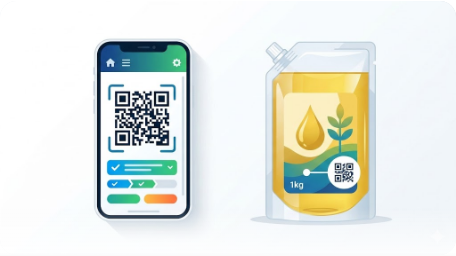
- Scan the eCOSS QR code displayed at the shop counter
- Select the number of packets you wish to buy (subject to quota limits)
- Confirm the purchase through the app
- Pay the subsidised price of RM2.50 per unit and collect your cooking oil
Every transaction is recorded digitally in the system. Not all shops sell subsidised cooking oil - only outlets registered in the eCOSS system do.
eCOSS vs the Old System
The eCOSS system brings major improvements compared to the previous distribution method:
| Aspect | Old System | eCOSS (2025+) |
|---|---|---|
| Buyer verification | None - anyone could buy | MyKad + e-KYC required |
| Transaction records | Manual or none | Digital from refinery to consumer |
| Purchase limits | Difficult to enforce | Automatic quota per household |
| Foreigner eligibility | No controls | Blocked via MyKad verification |
| Supply chain monitoring | Limited | Full and real-time |
| Transparency | Low | High - real-time data for KPDN |
How Much Does the Government Spend on Cooking Oil Subsidies?
The cooking oil subsidy represents a significant financial commitment:
| Year | Allocation |
|---|---|
| 2020 | RM500 million |
| 2021 | RM2.2 billion |
| 2022 | RM4 billion (highest) |
| 2023 | ~RM1.6 billion |
| 2024 | RM1.945 billion |
Subsidy costs depend on global CPO (crude palm oil) prices. When CPO prices were high in 2022, subsidy costs surged to RM4 billion.
Issues and Challenges
Despite the importance of this subsidy, several issues have been identified:
Cross-Border Smuggling
Malaysia's subsidised cooking oil has been reported to be found in abundance in Golok, Thailand - sold at double the price with no purchase limits. Smuggling also occurs through the eastern border into Indonesia and the Philippines.
Purchases by Ineligible Parties
Before eCOSS, there was no identity verification, allowing foreigners and commercial entities to buy subsidised oil. The Auditor General's Report (July 2025) revealed weak enforcement and a lack of clear eligibility criteria.
Stock Hoarding
Traders and middlemen hoard stock to sell at higher prices, causing ordinary citizens to struggle finding supply on supermarket shelves.
The eCOSS system was developed specifically to address all three issues through digital verification and comprehensive supply chain monitoring.
Timeline of Recent Developments
| Date | Event |
|---|---|
| April 2025 | eCOSS launched |
| May 2025 | Piloted in Putrajaya and Johor - 25.36 million transactions recorded |
| July 2025 | Auditor General's Report exposes weaknesses - KPDN strengthens enforcement |
| November 2025 | 1.66 million registered eCOSS users |
| December 2025 | eCOSS successfully curbs subsidy leakage |
| January 2026 | KPDN gazettes foreigner ban |
| 1 March 2026 | Official ban takes effect |
| June 2026 (expected) | New generation MyKad with QR code |
New MyKad with QR Code
The National Registration Department (JPN) is expected to launch a new generation MyKad with enhanced security features including a QR code in June 2026. This feature will further simplify identity verification when purchasing subsidised cooking oil and for various other uses.
Frequently Asked Questions (FAQ)
How many cooking oil packets can I buy per month?
The purchase limit is between 2-5 packets per month per household, depending on household size. The eCOSS system automatically controls this quota and it resets at the beginning of each month.
Can I buy without the eCOSS app?
Yes, you can still buy subsidised cooking oil packets at registered outlets. For those without smartphones, shop staff can assist with manual verification using your MyKad.
Why are cooking oil packets often out of stock?
The national quota of 60,000 metric tonnes per month is actually sufficient. Local shortages are usually caused by stock hoarding, uneven distribution, or purchases by ineligible parties. The eCOSS system aims to resolve these issues.
Is bottled cooking oil also subsidised?
No. Only cooking oil in 1-kilogram polybag packets is subsidised at RM2.50. Bottled cooking oil is sold at market price (RM6.90+).
I am a foreigner. Can I buy cooking oil packets?
No. Starting 1 March 2026, the official ban is in effect under the Control of Supplies Act 1961. Foreigners are not allowed to purchase subsidised cooking oil packets.
How do I find shops that sell subsidised cooking oil?
Use the map function in the eCOSS app to find registered retail outlets near you. Only shops with an eCOSS QR code sell subsidised cooking oil.
How much can I save using subsidised cooking oil?
If you use 3 kg of cooking oil per month, the savings amount to RM13.20 (3 x RM4.40). Over a year, savings can reach RM158.
Why does the government subsidise cooking oil?
Malaysia is the world's second-largest palm oil producer. Palm cooking oil is a staple cooking ingredient for the population. The subsidy protects the B40 group from global commodity price fluctuations and ensures national food security.
Conclusion
Subsidised cooking oil packets at RM2.50 are an important form of assistance that saves Malaysian households up to 64% on cooking oil costs. With the implementation of the eCOSS system and the recent ban on foreigners, the government is working to ensure that subsidies worth nearly RM2 billion annually reach the citizens who need them.
Beyond saving on daily expenses, managing your finances wisely also means planning investments for the future.
Open a CDS trading account to start investing on Bursa Malaysia and international markets like the US and Hong Kong at mahersaham.com/akauncds.
Download the free Stock Market Basics ebook at mahersaham.com/ebookasas.