What Is Warrant Premium & How to Calculate It in Malaysia

What Is Premium?
In the previous article, 5 things you must know before buying warrants, we briefly explained what premium is.
This time, I will explain it in greater depth with examples so you can better understand this topic.

Before that, here is a quick recap on warrants. The 5 important things we must know are:
- Exercise price
- Conversion ratio
- Expiry date
- Gearing
- Premium
Premium = Warrant + Exercise Price
The lower the premium, the cheaper the warrant is compared to its mother share, and the lower the risk
How to Calculate Premium
Example 1: HIBISCUS-WC
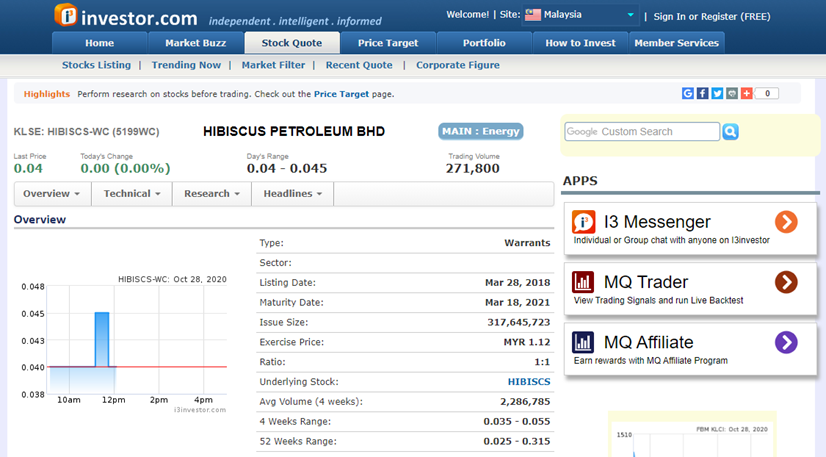
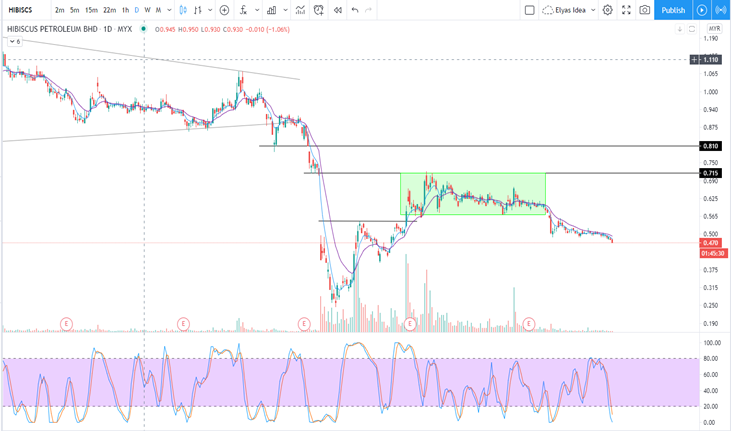
• Mother share price: RM 0.47
• Warrant price: RM 0.04
• Exercise price: RM 1.12
Premium
= [warrant price + exercise price – mother share price] / mother share price x 100%
= (RM 0.04 + RM 1.12 – RM 0.47) / RM 0.47 x 100% = 147%
Example 2: APPASIA-WA
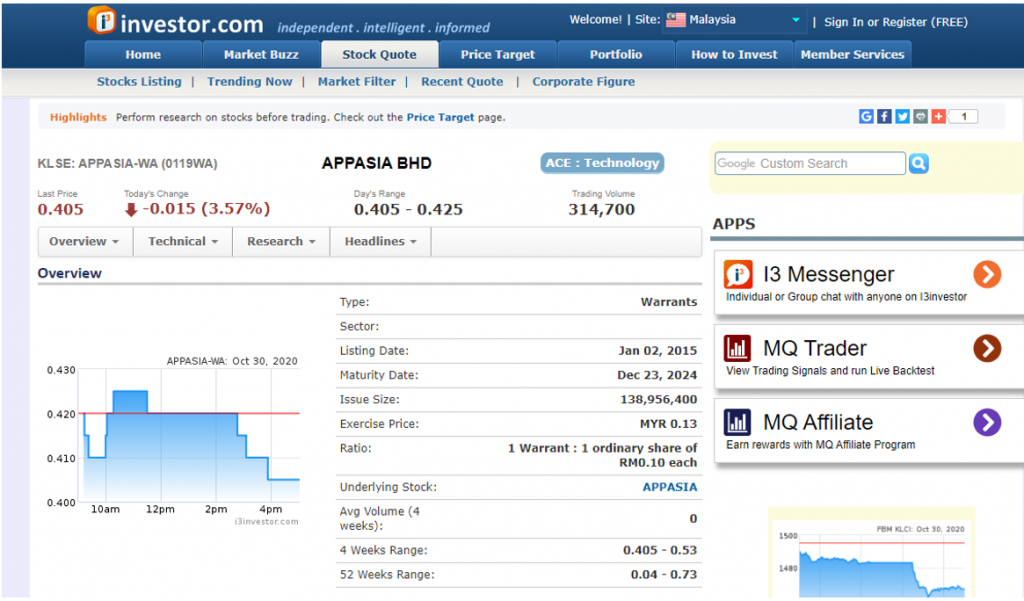
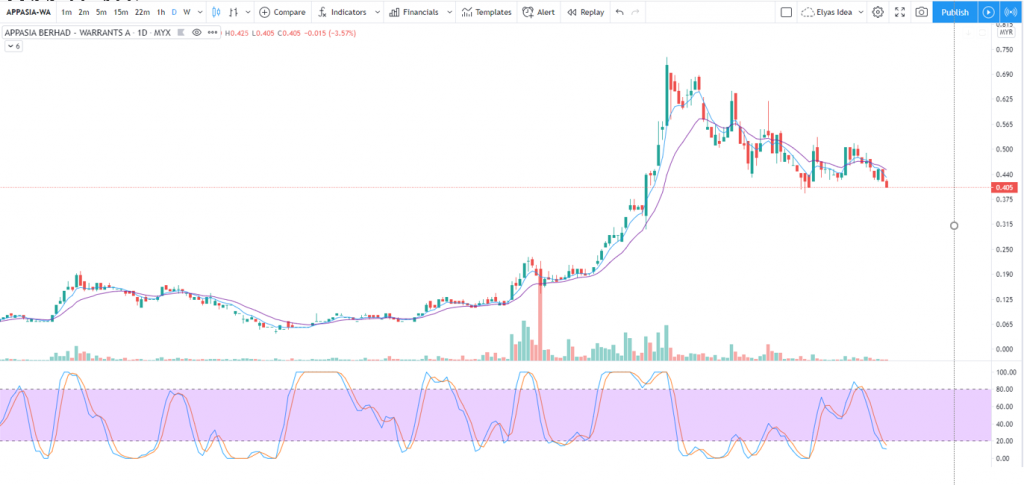
- • Mother share price: RM 0.580
- • Warrant price: RM 0.405
- • Exercise price: RM 0.13
Premium:
= [warrant price + exercise price – mother share price] / mother share price x 100%
= (RM 0.405 + RM 0.13 – RM 0.58) / RM 0.58 x 100% = -7%
In your opinion, when comparing the premium values of HIBISCUS-WC and APPASIA-WA, which one is profitable and which one is not? A positive value or a negative value?
Of course, the lower the value, the better. As I mentioned earlier:
The lower the premium, the cheaper the warrant is compared to its mother share
Hope this was helpful!
Frequently Asked Questions (FAQ)
What is premium in the context of warrants?
Premium is the additional cost an investor needs to pay when buying a warrant compared to buying the mother share directly. It is calculated based on the difference between the warrant price plus the exercise price and the current mother share price.
What is the formula for calculating warrant premium?
The premium formula is: [(Warrant Price + Exercise Price - Mother Share Price) / Mother Share Price] x 100%. A positive premium value means the warrant is more expensive compared to the mother share, whilst a negative value means the warrant is cheaper.
Does a low premium mean the warrant is more worthwhile to buy?
Yes, generally the lower the premium, the cheaper the warrant is compared to the mother share. A warrant with a negative premium means you can gain exposure to the mother share at a lower price through the warrant.
What other factors besides premium should be considered before buying warrants?
Besides premium, investors should consider the warrant's expiry date, conversion ratio, liquidity of the warrant in the market, and also the price direction of the mother share. All these factors influence the profit potential of the warrant.
Ready to start investing? Open a CDS account with Mahersaham today.
Download our free basic stock ebook to understand the fundamentals of stock investing with ease.
Further reading: