"Buy the Rumor, Sell the News": When This Classic Strategy Wins and When It Loses

Have you ever seen a stock rise sharply before a big announcement - earnings results, a mega contract, a policy approval - then fall on the day of the announcement itself, even though the news was positive? You've just witnessed one of the oldest and most misunderstood phenomena in the stock market: "Buy the Rumor, Sell the News."
This classic adage means: investors buy based on the expectation of an event, then sell once the event actually happens. In short - expectations often move prices more strongly than the event itself. But this strategy is not an absolute law. It sometimes delivers big profits, and sometimes traps investors who don't understand when it fails.
In this article, we unpack:
- What "buy the rumor, sell the news" actually means
- The mechanism of why prices fall despite good news
- When this strategy WINS - the conditions that favour it
- When this strategy LOSES - the traps many overlook
- Bursa Malaysia case studies - hot IPOs and the National Budget
- US market case studies - Fed decisions and the Bitcoin ETF approval
- How retail investors can avoid becoming "exit liquidity"
What Is "Buy the Rumor, Sell the News"?
"Buy the rumor, sell the news" is an old saying in financial markets describing a pattern where investors act on speculation about an event before it happens, then sell once the official news comes out.
The logic goes like this: the market is a discounting machine. Today's stock price already reflects what investors expect to happen tomorrow. When a positive event is anticipated - for example, a company is expected to announce record earnings - investors buy ahead to capitalise on that expectation.
By the announcement day, the price has already risen high because of that expectation. When the news actually comes out, even if it's positive, there are no new buyers left - everyone who wanted to buy has bought. Early investors start selling to lock in profits. The result: the price falls even though the news is good.
This is the "sell the news" paradox - when something is already fully priced in, news that confirms the expectation adds no momentum. All that's left is selling pressure.
The Mechanism: Why Do Prices Fall Despite Good News?
To understand this phenomenon, you need to understand the concept of being "priced in."
Imagine a company is expected to announce a RM500 million contract. Over the two months before the announcement:
- Rumours spread - the stock starts rising
- Analysts raise their price targets - more people buy
- Media covers the speculation - retail investors pile in
- By the announcement day, the stock has risen 40%
On announcement day, the RM500 million contract is confirmed. But - is this new news? No. The market already expected it. The current price already reflects the contract.
Now think from the perspective of an investor who bought early: "I'm already up 40%. The news is out, my thesis has materialised. Time to sell and take profit." When many investors think the same way, a wave of selling occurs - and the price falls.
Retail investors who just bought on announcement day (because "good news!") often become exit liquidity - the last buyers who allow early investors to exit with a profit.
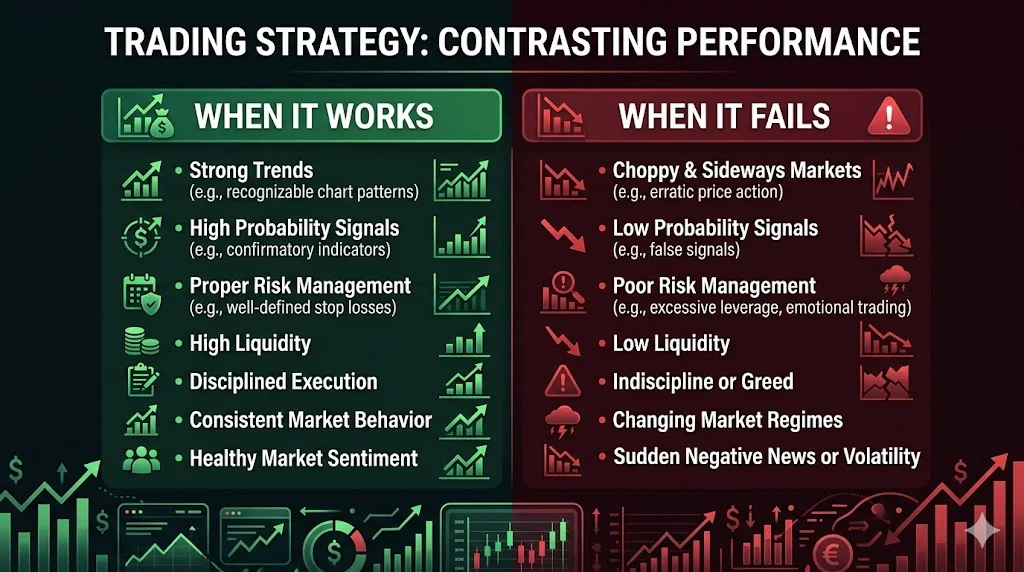
When This Strategy WINS
"Buy the rumor, sell the news" works best in specific conditions:
1. Highly Anticipated Events
When an event is long anticipated with a known date - a central bank rate decision, a quarterly earnings announcement, a policy approval - the market has plenty of time to "price in" the expectation. This is the most classic situation for the strategy to work.
2. Sentiment Is Already Too Optimistic
When most investors are already bullish and the stock has risen high on speculation, the supply of new buyers is nearly exhausted. There's no more "fuel" to continue the rise. News confirming the expectation triggers no new buying - only selling.
3. The News Confirms, Doesn't Surprise
If the news that comes out is exactly as expected (in-line), there's no surprise element to push the price higher. The market says "OK, we already knew" and moves on to the next focus.
Example: Federal Reserve Rate Decisions (US)
One of the most classic examples is the Federal Reserve rate decision. If the market believes the Fed will cut rates, investors buy stocks early. When the rate cut is officially announced - even if it's exactly as expected - the price often falls back as investors close their positions, according to Vantage Markets analysis. The expectation outweighs the event itself.
When This Strategy LOSES
This is the part many investors overlook. "Buy the rumor, sell the news" is not an absolute law - it fails in several important conditions.
1. The News Is a Genuine Surprise
If the news that comes out is far better than expected, it triggers a wave of new buying. The stock can keep surging because investors need to revise their valuations upward. "Sell the news" fails when the news itself is a big positive surprise.
2. The Market Is in Bull-Market Euphoria
In a strong bull market with euphoric sentiment, good news becomes a reason for more buying, not selling. Momentum overrides the "priced in" logic. This is why the strategy often fails near bull market peaks - investors keep buying on every piece of good news.
3. The Rumour Is False or Doesn't Materialise
If the rumour that triggered the rise turns out to be false - the contract isn't confirmed, the merger fails - then the price drop is much worse. Investors who "bought the rumor" are trapped without the "news" to support it.
Example: Bitcoin Spot ETF Approval (US, January 2024)
One of the most famous recent "sell the news" examples is the SEC's approval of the spot Bitcoin ETF in January 2024. For months, Bitcoin's price surged on the expectation of approval. When the SEC finally approved it - very positive news - Bitcoin's price actually fell in the following weeks. A classic "sell the news": the approval was already priced in.
Example: Tech Company Earnings (US)
Heading into major tech company earnings, there's often widespread optimism. Even if the company beats revenue expectations, if margins or forward guidance disappoint, the stock can fall after the announcement - the market had already priced in perfection, so any shortfall is punished.
Bursa Malaysia Case Studies
Hot IPOs: "Buy the Rumor" Is Subscribing, "Sell the News" Is Listing Day
On Bursa Malaysia, this phenomenon is clearest with hyped IPOs. Here's the pattern:
- "Buy the rumor" = subscribing to the IPO during the offer period (or buying before listing)
- "Sell the news" = selling on listing day, the day the "news" (the actual listing) happens
Highly-hyped technology IPOs often surge dramatically on debut - sometimes hundreds of percent - then fade in the following weeks. Investors who subscribe to the IPO and sell on the first day often profit. Retail investors who buy on listing day because "the stock is hot" often become exit liquidity.
This is why it's important to understand IPO strategy properly - refer to Stocks for Beginners 2026: 7 Criteria to Pick Your First Stock at Bursa Malaysia for a more disciplined approach.
The National Budget: Sectors Rally Before, Sell After
Every year before the National Budget is tabled, certain sectors rally on the expectation of "budget goodies" - for example construction stocks ahead of expected new infrastructure projects, or consumer-related stocks ahead of expected cash aid.
When the Budget is actually tabled, even if the expected incentives are confirmed, these sectors often sell on the news because it was already priced in during the pre-budget rally. Investors who enter early (during the "rumor") and exit on budget day often outperform those who enter late.
Merger & Acquisition Rumours
When a rumour spreads that a company will be acquired, its stock surges. But if the acquisition is confirmed at a lower offer price than the market expected, or if the offer fails, the stock can fall hard. "Buying the rumor" on a merger is among the riskiest - because rumours often don't materialise as expected.
How Retail Investors Avoid Becoming "Exit Liquidity"
The biggest lesson from "buy the rumor, sell the news" isn't to follow it blindly - but to understand it so you don't get trapped.
1. Ask: Is This News Already Priced In?
Before buying a stock because of good news, ask: has this stock already risen high in the weeks before the news? If yes, the news is likely already priced in - buying now risks you becoming exit liquidity.
2. Don't Chase Stocks That Are Already Viral
When a stock is already the talk of the crowd and has surged on speculation, you're already late. This is closely related to herd mentality and FOMO - read more in Investor Psychology: 7 Mental Biases That Make You Lose Money on Bursa Malaysia.
3. Focus on Fundamental Value, Not News Momentum
Long-term fundamental investors actually don't need to worry much about "sell the news." If you buy a quality company at a reasonable valuation to hold for years, short-term fluctuations around announcements are irrelevant. This strategy is more of a concern for short-term traders.
4. If You Trade the News, Use Strict Risk Management
If you do want to trade around news events, a stop loss is mandatory - the market's reaction to news can be extreme and unpredictable within seconds. Refer to Stop Loss & Position Sizing: How to Protect Your Capital Before Buying Stocks.
5. Distinguish Expectation vs Surprise
Before an announcement, ask: what is the consensus expectation? If you think the actual result will surprise to the upside (better than expected), "sell the news" may not happen. If you think it will only confirm expectations, be careful - "sell the news" is more likely.
Frequently Asked Questions (FAQ)
What does "buy the rumor, sell the news" mean?
It's a market adage meaning investors buy an asset based on the expectation of an event, then sell when the event actually happens. The logic: expectations move prices more strongly than the actual event, because by the time the news comes out, it's already "priced in" to the price.
Why do stock prices fall even though the news that comes out is positive?
Because the news was already expected and already reflected in the current price (priced in). When the news is confirmed, no new buyers are left - everyone who wanted to buy has bought. Early investors start selling to lock in profits, triggering selling pressure even though the news is good.
When does the "buy the rumor sell the news" strategy work?
It works best when: the event is highly anticipated with a known date (Fed decisions, earnings results), market sentiment is already too optimistic, and the news that comes out merely confirms expectations without a surprise element.
When does this strategy fail?
It fails when: the news is a genuine surprise far better than expected (triggering new buying), the market is in bull-market euphoria where good news = more buying, or the original rumour turns out to be false/doesn't materialise.
How does this phenomenon appear in Bursa Malaysia IPOs?
In IPOs, "buy the rumor" = subscribing to the IPO or buying before listing, "sell the news" = selling on listing day. Hyped IPOs often surge on debut then fade. Investors who subscribe and sell on the first day often profit; those who buy on listing day because "the stock is hot" often become exit liquidity.
Do long-term investors need to worry about "sell the news"?
Not really. If you're a fundamental investor buying quality companies at reasonable valuations to hold for years, short-term fluctuations around announcements are irrelevant. The "sell the news" phenomenon is more of a concern for short-term traders who trade around news events.
What is "exit liquidity" in this context?
Exit liquidity refers to late buyers who allow early investors to exit with a profit. When you buy a stock on a good-news day (after it has already risen high on speculation), you often become exit liquidity - early investors sell to you and take profit, while you're trapped holding the stock at peak price.
How do I know if a piece of news is already "priced in"?
The main clue: check whether the stock has already risen sharply in the weeks before the expected news. If the stock has already had a big rally on speculation, the news is likely already priced in. If the stock is still stable and the news is a genuine surprise, it may not be priced in yet.
Conclusion
"Buy the rumor, sell the news" is one of the oldest phenomena in the stock market - but it is not an absolute law. It works when an event is highly anticipated and already priced in; it fails when the news is a genuine surprise or the market is in euphoria. What matters most for retail investors is understanding the mechanism so you don't get trapped becoming exit liquidity - buying at the peak of hype after all the gains have been taken by early investors.
For long-term investors, the best lesson is perhaps the simplest: focus on a company's fundamental value, not short-term news momentum. Quality companies will keep growing across multiple news cycles.
To start investing with a fundamentals-focused approach rather than getting caught up in news hype, you'll need a suitable trading account.
A CDS account lets you invest in Bursa Malaysia and overseas markets like US and Hong Kong, giving you access to multiple markets to build a long-term portfolio - open your CDS account here.
For the basics of understanding how to evaluate quality stocks without being swayed by news and speculation noise, download the free Stock Market Basics Ebook.
Further Reading
- Investor Psychology: 7 Mental Biases That Make You Lose Money on Bursa Malaysia
- Elections & Bursa Stocks: The Real KLCI Pattern Before and After Malaysian General Elections
- Stop Loss & Position Sizing: How to Protect Your Capital Before Buying Stocks
- When Does Trading Become Gambling? The Boundary of Investing & Speculation in Islam
- Stocks for Beginners 2026: 7 Criteria to Pick Your First Stock at Bursa Malaysia