REITs Malaysia: How to Own Property on Bursa Malaysia

What Are REITs?
Many Malaysians are still unaware of REITs available on Bursa Malaysia.
Did you know that you only need as little as RM112 to own a stake in healthcare properties in Malaysia and Austria through Al-Aqar Healthcare REIT?
REIT stands for Real Estate Investment Trust -- an instrument that allows you to invest in property with ease.
It is a fund or trust that manages commercial real estate to generate income.
REITs are somewhat similar to Amanah Hartanah Bumiputera (a property trust fund in Malaysia), except that REITs are listed and traded on the stock exchange.
Advantages of Investing in REITs
Investors have the opportunity to earn two types of returns from REITs.
Firstly, capital gains from price appreciation, and secondly, dividend income.
Beyond that, the advantages of REITs include:
1. Lower Cost
The cost of investing in REITs is significantly lower compared to direct property investment.
You can start by purchasing as little as 1 lot.
However, do not expect to become wealthy overnight with just 1 lot. Realistic expectations are important.
2. Liquidity
This means you can sell your holdings at any time on the stock market and receive cash quickly.
In contrast, selling physical property requires waiting for a buyer and completing various administrative procedures before receiving payment.
3. Stable Income Stream
Price volatility is lower compared to other stocks.
REIT investors typically receive consistent and stable dividend payments derived from rental income paid by tenants of the REIT properties.
4. Professionally Managed
If you purchase physical property, you need to worry about finding tenants, dealing with tenant issues, and much more.
With REITs, everything is managed by professional fund managers.
So you do not need to worry about tenant problems or handling various types of agreements as you would in direct real estate investment.
Types of REITs
There are 6 types of REITs in the property industry:
1. Office
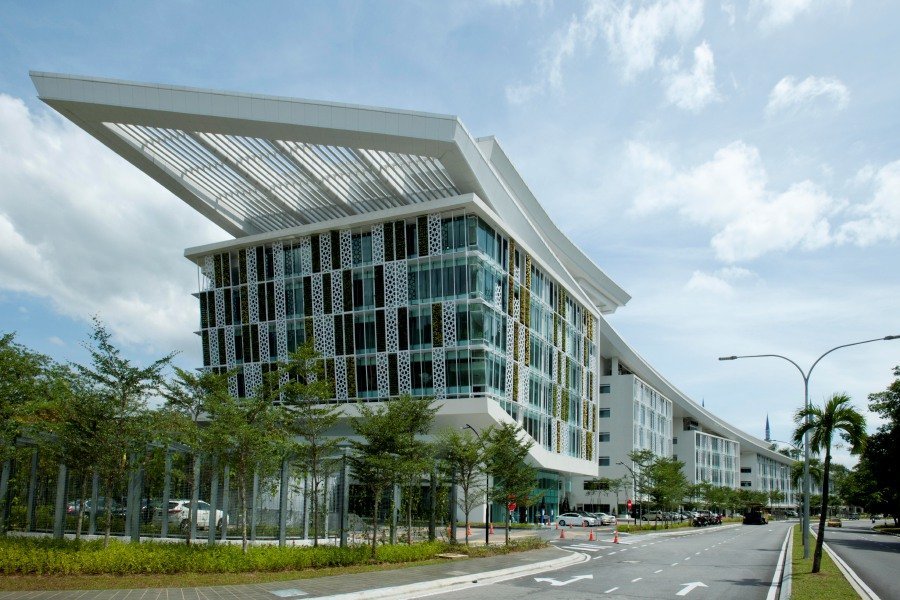
This type of REIT owns and operates office buildings. The majority of tenants are from the financial sector such as banks, government agencies, and international companies operating in Malaysia.
Office REITs with properties in high-growth areas like the Klang Valley -- Shah Alam, Subang Jaya, and Bangsar -- are well positioned to enjoy higher rental rates in the future.
However, the oversupply of office space in the Klang Valley means tenants have the option of finding cheaper alternatives due to price competition among office space owners.
2. Healthcare
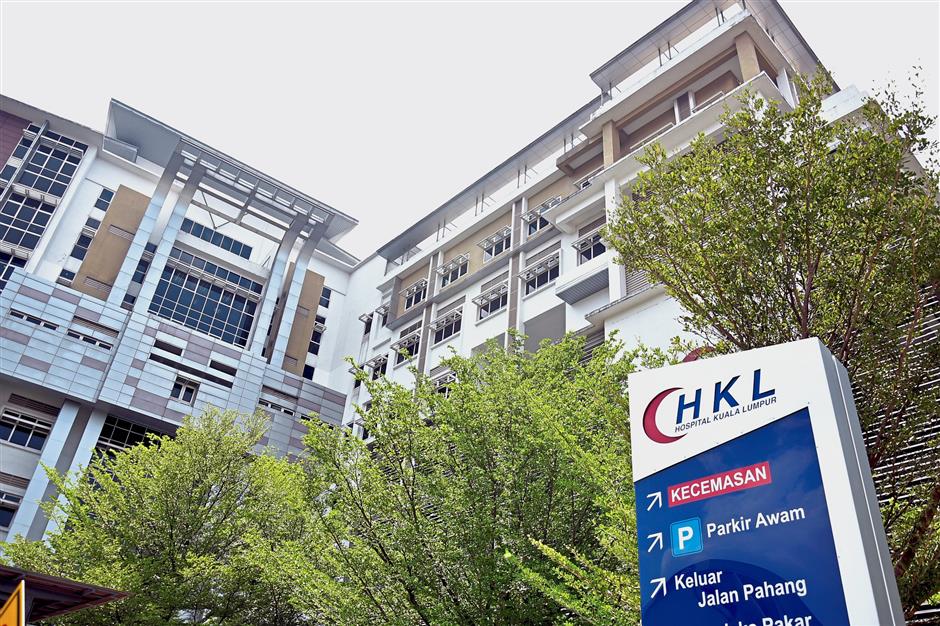
Healthcare REITs manage hospitals and healthcare service properties.
Even during unfavourable economic conditions, Healthcare REITs remain a necessity for society and stay relatively stable.
However, growth opportunities for Healthcare REITs are somewhat limited due to long-term leases that reduce the potential for increasing rental yields.
That said, Healthcare REITs can still expand by acquiring existing healthcare properties.
3. Hospitality

Hospitality REITs own and manage hotels and residential buildings.
A notable example is YTL REIT, which owns and manages the JW Marriott hotel, and SUNWAY REIT, which manages Sunway hotels.
Hospitality REITs indirectly help boost the tourism sector in Malaysia.
Currency depreciation also helps attract more foreign tourists to the country.
Nevertheless, Hospitality REITs are highly susceptible to changes in the global economy and current political climate.
Sluggish economic growth also impacts the tourism sector, which in turn reduces revenue in the hotel industry.
4. Retail

Retail REITs manage, own, and operate supermarkets, shopping centres, shops, and retail premises.
In other words, Retail REITs earn their returns through rental from tenants like KFC, Burger King, and others.
They lease units within shopping centres such as IOI Mall Putrajaya, or retail spaces like Nike at KLCC.
Revenue growth in the Retail REIT market is heavily dependent on the current economic climate.
This is because many units in retail premises cannot be leased when consumer purchasing power declines and demand for rental space decreases.
5. Industrial
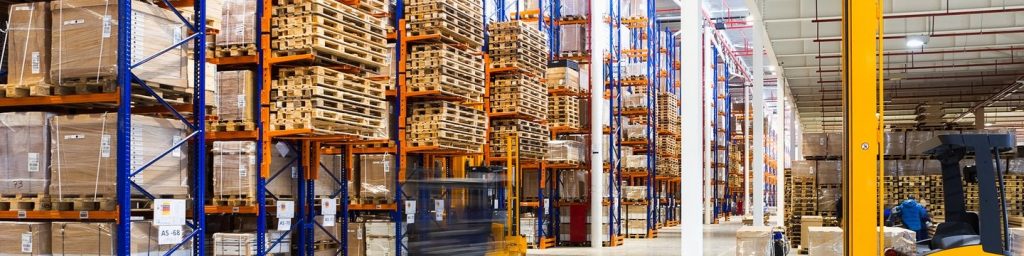
Industrial REITs manage property premises such as warehouses and factory space. Cash flow is derived from warehouse and factory space rentals.
Interestingly, these properties do not require high maintenance costs and their designs are not as extravagant as other REIT types, thereby reducing overall costs.
However, Industrial REITs are the most susceptible to economic downturns as factory operating costs and inventory storage expenses tend to be cut during recessions.
6. Diversified

Diversified REITs manage various types of properties simultaneously.
For example, Sunway REIT (also known as Sun REIT on the KLCI) owns a diverse portfolio of properties in Malaysia including shopping centres, offices, warehouses, hotels, and buildings.
The key advantage of Diversified REITs is the variety of property types, which provides greater resilience against market fluctuations and economic conditions.
FAQ -- REITs Investment in Malaysia
What are REITs and how do they work?
REITs (Real Estate Investment Trusts) are property investment trust funds listed on Bursa Malaysia. They allow investors to own a stake in properties such as shopping centres, hotels, and offices without having to purchase physical property directly.
What is the minimum capital needed to invest in REITs?
The minimum capital depends on the unit price of the REIT you choose. For example, Al-Aqar Healthcare REIT can be owned with as little as RM112. You will need to open a CDS account first, which costs RM11.
What types of REITs are available on Bursa Malaysia?
There are several types of REITs on Bursa Malaysia, including Retail REITs (shopping centres), Office REITs, Hospitality REITs, Healthcare REITs, Industrial REITs, and Diversified REITs like Sunway REIT which owns various property types.
Do REITs pay dividends regularly?
Yes, REITs are required to distribute at least 90% of their net income as dividends to unitholders. This makes REITs a popular choice for investors seeking consistent dividend income.
Conclusion
To start investing in REITs, you must first have a CDS account. The cost of opening a CDS account is only RM11.
Do not have a CDS account yet? You can open a CDS account now easily online.
Download the Free Ebook from Mahersaham for a complete guide to the basics of stock investing!