Why Is Your Portfolio Full of Losing Stocks? Here's the Answer

Many investors sell winning stocks too quickly, but hold on to losing stocks for far too long. Why does this keep happening? Let's break down the reality of the stock market and how to overcome it.
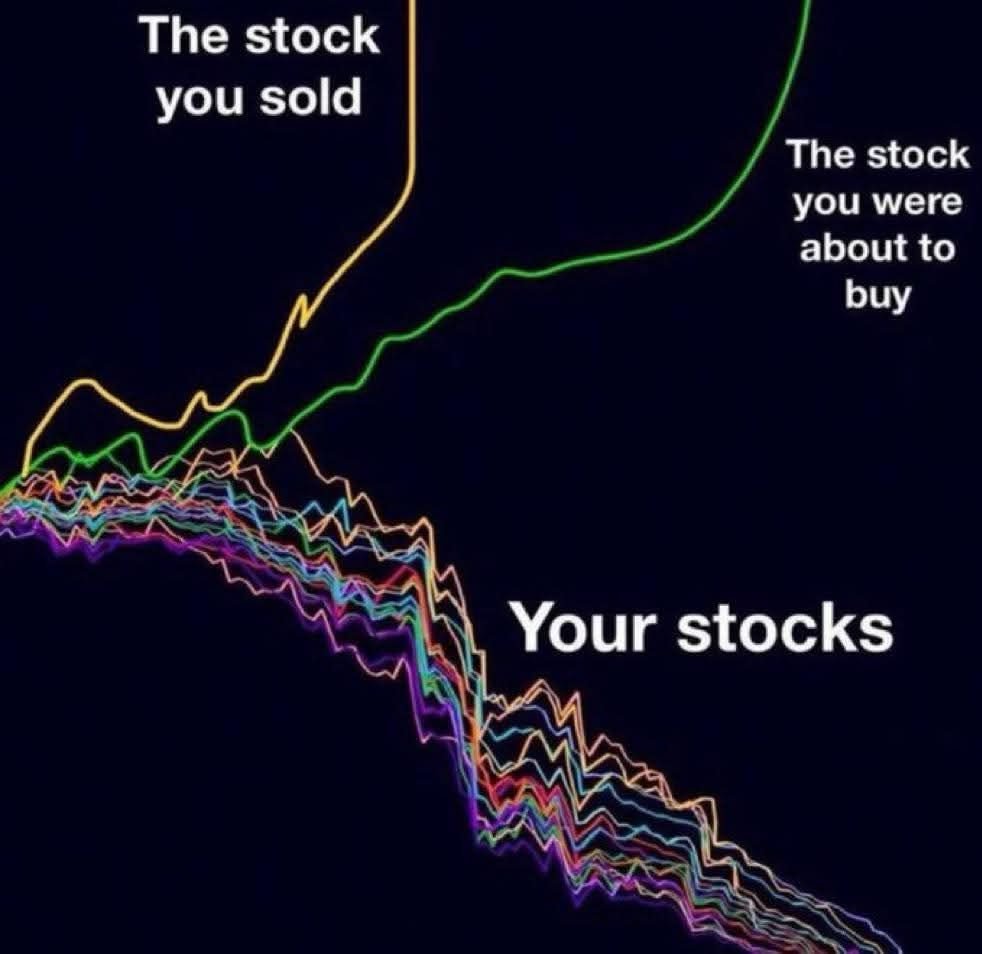
The Bitter Reality of the Stock Market
Imagine this scenario. You just sold a stock that had been moving sideways for a long time. Right after you sold it, the stock suddenly rockets upward. At the same time, you chased another stock that went viral, but you were too late to enter.
Eventually, your portfolio is filled with stocks in the red, slowly sinking. This problem is not bad luck — it is a pattern. A pattern that many investors repeat without realising it.
Buying Stocks Based on Hype, Not Conviction
Have you ever seen a stock going viral in a Telegram group or among TikTok traders? At that moment, everyone is talking about getting in.
The problem is, the stock has already risen significantly. You rush to buy it, even though you do not know the business, do not understand the risks, and have no idea who manages the company. All you see is green candles and a fear of missing out on the trend.
The result? Many enter late and end up losing money.
Your Portfolio Becomes a Graveyard of Stocks
What about the other stocks in your portfolio? They are suffering. Sinking.
Why? Because you bought based on someone else's recommendation, based on emotions, or because the stock looked "cheap". You never studied the financial reports, never checked whether the company was profitable or making losses. You bought the name, not the value.
When the price drops, you do not know what to do. Selling at a loss hurts, but holding on hurts even more.
What Can We Learn From These Mistakes?
Memes about stocks are funny, but the reality is painful. Many investors have been the main character in this story.
The good news is: you can change. Here is how:
- Write down why you are buying a stock. It must be clear: the reason, the timeframe, and your expectations. If you cannot explain it in one paragraph, you are not ready to buy.
- Set your exit strategy. Whether it is reaching a target price, deteriorating fundamentals, or breaking a support level. Not because you are "bored" or "it does not feel right".
- Stop chasing hype. If a stock has already risen 30% and you are only now thinking of entering, take a step back. Look for other opportunities. The market always offers new ones.
The Real Goal in the Stock Market
The stock market loves to toy with unprepared investors. It rewards the patient handsomely, but punishes the greedy harshly.
If your portfolio is full of falling stocks, do not panic. Take a deep breath, look back, and rebuild your strategy.
Because the real goal is not just to catch stocks that go up.
The real goal is to stop being the market's joke.
Frequently Asked Questions (FAQ)
Why do I always hold losing stocks for too long?
This is caused by a psychological effect called 'loss aversion' — humans are more afraid of experiencing losses than they are happy about gains. Many investors hope that losing stocks will 'recover' even when the company's fundamentals have already deteriorated.
How can I avoid a portfolio full of losing stocks?
Set an exit plan before buying any stock. Determine a clear target price and cut-loss level. Do not buy stocks just because they appear cheap without analysing the financial reports and company fundamentals.
Is it normal for new investors to experience losses?
Yes, losses are part of the investment learning process. What matters is learning from every mistake, building a better strategy, and avoiding repeating the same errors over and over again.
When is the right time to sell a losing stock?
Sell when the company's fundamentals have deteriorated, when the price breaks a key support level, or when your original reason for buying the stock is no longer relevant. Do not wait until the losses become too large.
Having a healthy portfolio starts with solid investment knowledge and proper risk management strategy.
Open your CDS account today through our step-by-step guide here to start investing in the stock market.
Download our free stock basics ebook to learn the fundamentals of stock investing from scratch.