GameStop: What Actually Happened?

The GameStop saga is one of the most dramatic events in recent stock market history. It shook Wall Street, made headlines worldwide, and turned ordinary retail investors into a force to be reckoned with.
You may have heard about hedge funds, short selling, and market manipulation being thrown around in the same conversation.
What does it all mean?
Let us break down what actually happened with GameStop.
What is GameStop?
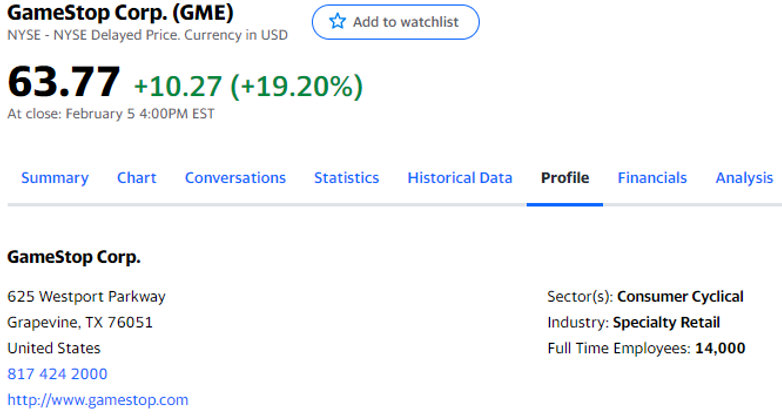
GameStop is an American company that sells video games, consoles like Xbox One X and PlayStation 4, and gaming accessories. It operates retail stores primarily in the United States.

GameStop is also a publicly listed stock on the US stock market (NYSE: GME).
What is a Hedge Fund?
According to Investopedia, a hedge fund is a financial partnership that uses pooled funds and employs different strategies to earn active returns for their investors.
In simple terms, hedge funds are large institutional investors with massive amounts of capital at their disposal.
What is Short Selling?
In short, short selling is a trading strategy where you sell first and buy later.
Here is how it works: an investor borrows shares from their broker and sells those shares on the open market. For example, let us say the share price at the time is RM2.
Later, the investor must buy back the same shares to return them to the broker. If the price has dropped to RM1.50 by then, the investor profits from the difference.
Short selling allows traders to profit even when the market is falling.
Profit = Selling Price - Buyback Price
Using the example above:
Profit = RM2 - RM1.50
Profit = RM0.50
Makes sense, right?
If you want to understand short selling in greater detail, you can read our article on Short Selling on Bursa Malaysia (IDSS).
What Actually Happened?
The story goes like this: certain hedge funds were making enormous profits by short selling GameStop shares.
They were essentially betting that GameStop's share price would continue to fall.
It got to a point where these hedge funds had borrowed and sold more shares than actually existed in the market.
That means some of those shares did not even exist.
This is what is known as being "over-shorted."
These hedge funds had already made billions in profit from this strategy.
Their actions were pushing GameStop dangerously close to bankruptcy.
This had been going on for months.
Then, something changed.
One day, a user on Reddit noticed that these hedge funds had borrowed shares that did not actually exist.
He shared this discovery with the community.
The Reddit user rallied others to fight back against the hedge funds by buying GameStop shares en masse and holding on to them - refusing to sell.
This movement went viral on Reddit, which is a social media platform similar to Facebook and Twitter.
Retail investors like you and me started buying GameStop shares in droves.
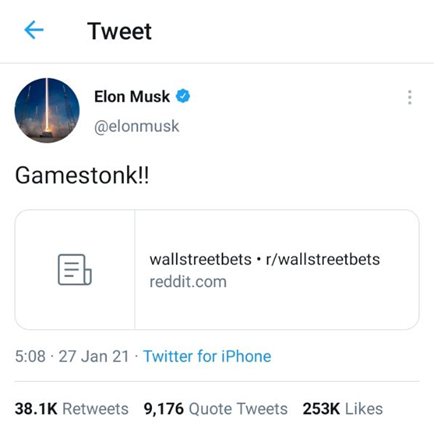
The situation gained even more traction when entrepreneur Elon Musk tweeted about it, tagging the Reddit forum WallStreetBets.
The share price rocketed upwards at an incredible pace.
You could say it flew to the moon.
GameStop's share price went from single digits to three digits in a matter of days.
Incredible, right?
Now, back to the hedge funds.
They suffered massive, devastating losses.
Losses amounting to billions of dollars.
Many hedge funds went bankrupt.
This is the power of unity among retail investors.
Conclusion
Greed will ultimately consume itself.
The trading of GameStop shares continued well beyond the initial frenzy.
There was no certainty about what would happen in the future.
What is certain is that many hedge funds suffered catastrophic losses and went bankrupt.
Frequently Asked Questions (FAQ)
1. What actually happened with GameStop shares?
A group of retail investors from the Reddit forum WallStreetBets collectively bought GameStop shares, causing a short squeeze against hedge funds that had been aggressively short selling the stock.
2. What is short selling and why did hedge funds lose money?
Short selling is a strategy of selling borrowed shares with the expectation that the price will drop, allowing you to buy them back at a lower price. Hedge funds lost money because GameStop's price surged dramatically, forcing them to buy back shares at much higher prices.
3. Could something like the GameStop saga happen on Bursa Malaysia?
In theory, yes, but the Malaysian market has different regulations including daily price limits (limit up/down) and strict oversight by the Securities Commission (SC), which reduces the likelihood of a similar event occurring.
4. What is the main lesson from the GameStop case for investors?
The key takeaway is the importance of risk management - do not be greedy, and understand what you are investing in. Investors should also be cautious about social media hype and always do their own research before making investment decisions.
Ready to start learning how to invest the right way? Open a CDS account with Mahersaham and receive professional guidance. Download our free stock basics ebook to take your first step.