The US-Iran Peace Deal Explained: Ceasefire, Strait of Hormuz & Regional Stability

What Actually Happened?
After nearly four months of war that shook West Asia and rattled global energy markets, the United States and Iran have finally reached a memorandum of understanding to end the fighting. The announcement came in mid-June 2026, and the official signing ceremony is scheduled to take place in Geneva, Switzerland on 19 June 2026. For the first time since the conflict erupted, the world is seeing a clear path toward peace, not just a temporary pause.
The short answer: this is not a full peace treaty, but an initial framework (a memorandum) that establishes a 60-day ceasefire. During that window, both sides will negotiate the hardest issues - Iran's nuclear programme, the lifting of sanctions, and maritime security in the Strait of Hormuz. If the talks succeed, the US is expected to withdraw troops from the region and fully lift its sanctions on Iran.
This article focuses on the peace process and its geopolitics - how the deal came together, what was agreed, and what it means for regional stability and the economy. If you want a sharper focus on market moves (oil falling, tech stocks rising, sector rotation), we have written a separate analysis in US-Iran Peace Deal: Oil Falls, Tech Stocks Surge.
A Quick Timeline: From the Battlefield to the Negotiating Table
To grasp how significant this deal is, we need to recall how tense things had become. The conflict began in late February 2026 when US and Israeli strikes targeted Iranian facilities, triggering a series of retaliatory attacks. Iran then closed or disrupted traffic through the Strait of Hormuz - the narrow waterway through which roughly one-third of the world's oil supply passes each day.
The impact was immediate. Crude oil prices spiked, at one point exceeding US$120 a barrel, sparking fears of global inflation and economic instability. For Malaysians, this was also felt through the cost of living, as we explained in The 2026 Strait of Hormuz Crisis and Its Impact on Malaysians.
After weeks of quiet diplomacy, largely through Pakistani and Qatari intermediaries, both sides finally agreed to stop shooting and sit down to talk. According to NPR, this initial agreement was announced on 15 June 2026 as a first step to end the war and reopen the Strait of Hormuz.
What Was Agreed: The Memorandum's Key Points
Based on leaked drafts and international reporting, the memorandum contains roughly 12 key points. Here are the most important elements that shape this peace framework:
- A 60-day ceasefire - a halt to all military operations, including an extension of the ceasefire to Lebanon.
- Reopening the Strait of Hormuz - Iran guarantees safe, duty-free passage for commercial ships for 60 days.
- Temporary easing of oil sanctions - the US allows Iran to resume oil sales through temporary sanctions waivers.
- Release of frozen assets - around US$24 billion in Iranian funds to be released in stages, with part of it available before negotiations begin.
- A nuclear roadmap - Iran's nuclear programme to be discussed during the 60-day negotiation period.
- Troop withdrawal - if a final agreement is reached, the US will withdraw its troops from the region within 30 days and lift all sanctions.
According to Al Jazeera, US President Donald Trump framed the deal as a move to "reopen" the Strait of Hormuz without any additional tariffs. Interestingly, several reports note the memorandum was signed in two languages - English and Farsi - at Iran's request, a small detail that hints at how fragile trust remains between the two sides.
The 60-Day Ceasefire: Mechanics and Conditions
At the heart of this deal is the 60-day ceasefire period. It is not merely a "stop shooting" arrangement, but a structured trial period. During this window, all military operations are halted, and both sides are given room to build trust while negotiating the thornier issues.
It is important for investors to understand: this is an interim framework, not a final agreement. According to analysis by the Atlantic Council, many critical issues remain unresolved, and the overall success hinges on whether both sides honour their commitments throughout this 60-day period.
The "phased" structure is deliberate. Sanctions relief and the release of assets are tied to Iranian compliance - meaning every step toward peace must be "paid for" with verifiable actions. This approach is common in conflict diplomacy because it reduces the risk of one side reneging after getting what it wants.
Reopening the Strait of Hormuz: Why It Matters to the World
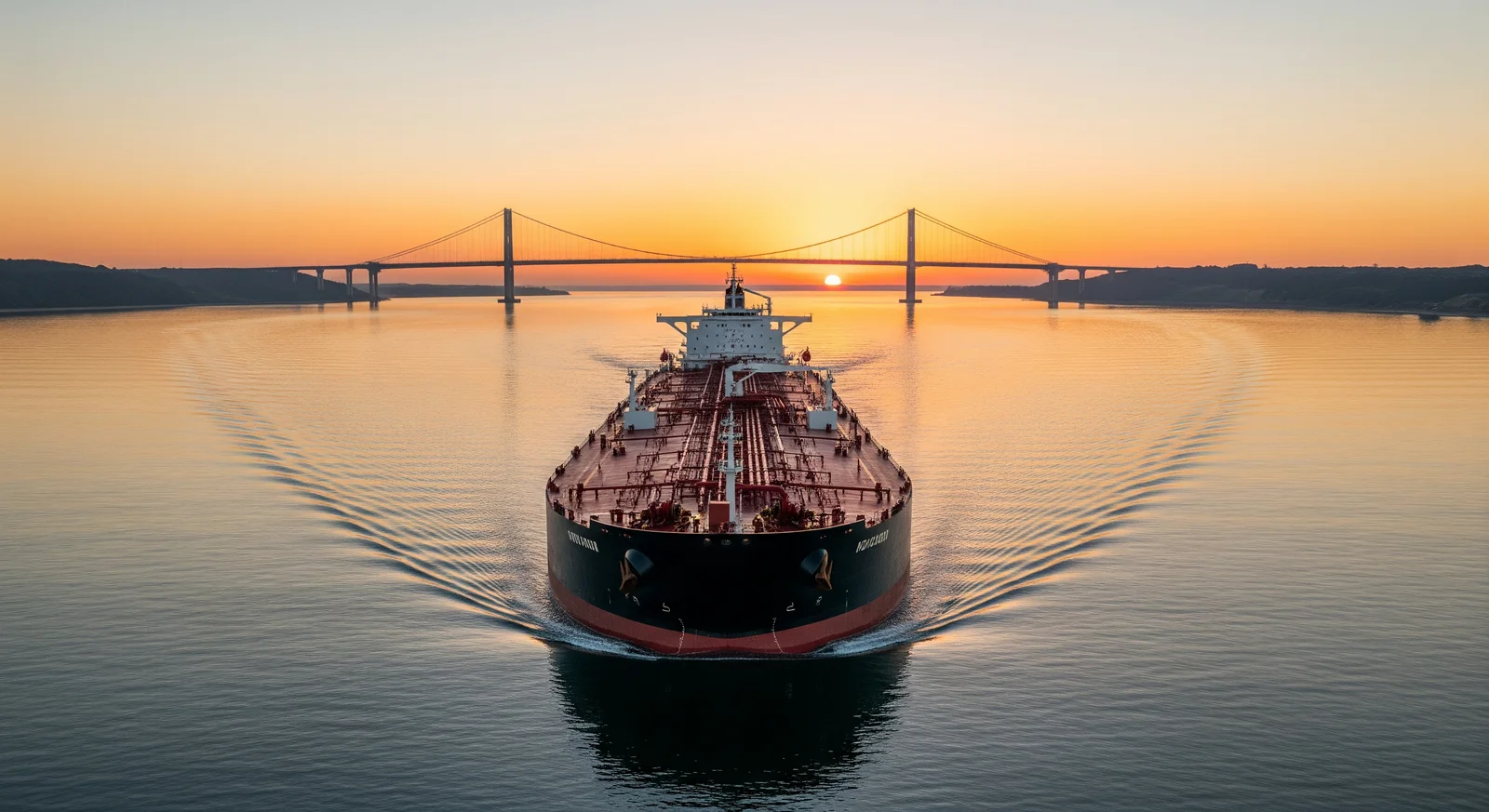
Of all the elements of the deal, reopening the Strait of Hormuz may have the most direct impact on the global economy. The strait is only about 33 kilometres wide at its narrowest point, yet it is the gateway for a third of the world's seaborne oil trade and a large share of liquefied natural gas (LNG).
When Iran guarantees safe, duty-free passage for commercial ships for 60 days, it reopens the lifeblood of the world's energy economy. The effect on oil prices is immediate - from the highs of wartime, prices fall sharply once supply-disruption risk begins to ease. To understand how different crude grades are traded, see our guide on Petronas and Malaysia's Oil Exports.
Still, this guarantee only lasts 60 days. That is precisely why energy markets remain cautious - long-term maritime security in the Strait of Hormuz depends on the success of full negotiations, not just a temporary memorandum. A single incident in the strait could revive the geopolitical risk premium in an instant.
Iran's Nuclear Issue: The Hardest Knot to Untie
If the ceasefire is the "easy" part, then Iran's nuclear programme is the most complex knot to untie. This is the first issue to be discussed within the 60-day negotiation window.
According to PBS News, Iran reportedly holds around 440.9 kilograms of uranium enriched up to 60% purity. That figure matters because it is only a short technical step away from weapons-grade levels (90%). How to dispose of or control this stockpile of highly enriched uranium is the central focus of the talks.
On Iran's side, President Masoud Pezeshkian has assured the world that his country does not intend to produce nuclear weapons. But verbal assurances alone are not enough - the real challenge is creating a verification mechanism that all parties can trust. Past experience with the previous nuclear deal (the JCPOA) shows just how fragile trust is on this issue. The UK House of Commons Library also stresses that the durability of the whole agreement depends on resolving this nuclear question.
The Role of Mediators: Pakistan, Qatar and Geneva Diplomacy
One striking aspect of this deal is that it was not reached directly between Washington and Tehran alone. Instead, it was the product of intensive shuttle diplomacy - particularly by Pakistan and Qatar.
Pakistan played a leading role in relaying each side's proposals, with its Deputy Prime Minister and Foreign Minister directly involved in negotiations in Washington. Meanwhile, an Iranian delegation held talks in Qatar. This combination of regional mediators allowed both sides to negotiate without appearing to "surrender" directly to the enemy - a crucial consideration in West Asian diplomacy.
The choice of Geneva, Switzerland as the signing venue is also no accident. Switzerland has a long history as neutral ground for sensitive agreements. According to Astro AWANI (#NIagaAWANI) and international news agencies, the signing ceremony is scheduled for 19 June 2026, making it a historic moment closely watched by global financial markets.
Implications for Economic and Market Stability
From an economic standpoint, the core message of this peace deal is reduced uncertainty. Financial markets despise uncertainty above all else, and geopolitical conflict is one of its biggest sources. When the risk of war recedes, several stabilising effects begin to appear.
First, global inflationary pressure could ease. Lower oil prices mean transport, production, and import costs become more contained. This gives the world's central banks room to be less aggressive with interest-rate policy. To understand the link between oil, inflation and markets, read Geopolitics as a Catalyst in Stock Trading.
Second, risk sentiment improves (risk-on). As war fears fade, investors tend to rotate out of safe-haven assets like gold and the US dollar, back into riskier assets such as emerging-market equities. This flow of capital can support regional markets, including Bursa Malaysia, over the medium term. The concept is closely tied to foreign fund flows, which often dictate Bursa's direction.
What Does It Mean for Bursa Malaysia and the Ringgit?
For local investors, the impact of this peace deal cuts both ways and is not necessarily one-directional. Bursa Malaysia's initial reaction was, in fact, mixed. According to BERNAMA, Bursa Malaysia once closed lower as investors began reassessing whether the ceasefire was truly convincing and would hold. Yet on the day the ceasefire extension was announced, the index reportedly opened higher, per RTM.
This mixed reaction is normal. Markets do not move in a straight line - they "test" each piece of news to gauge whether it sticks. For the ringgit, risk-on sentiment should support the regional currency, though other factors such as Fed and Bank of Japan rate policy also influence its direction. See the full discussion in A Weaker Ringgit: What It Means for Bursa Malaysia Investors.
One important reminder: this article focuses on the peace process and stability. For a detailed analysis of which sectors win or lose (oil and gas versus technology), and sector-rotation strategy, please refer to our dedicated piece US-Iran Peace Deal: Oil Falls, Tech Stocks Surge, which walks through the market moves step by step.
The Risks: Will This Ceasefire Hold?
Optimism must be balanced with realism. West Asian history is littered with ceasefires that collapsed, and this deal is still far from final. Here are the key risks investors should watch:
- A fragile 60-day window - a single military incident could bring down the entire framework.
- The unresolved nuclear issue - this is the hardest knot, and failure here could undo everything.
- Domestic politics - both the US and Iran face domestic pressures that could complicate long-term commitment.
- The "threaten then back down" pattern - markets are familiar with cycles of aggressive rhetoric that eventually fade, as discussed in our piece on the TACO pattern (Trump Always Chickens Out).
For investors, the lesson is clear: do not act rashly on the basis of a single news event. Genuine stability requires confirmation over time, not just a symbolic signing ceremony. Caution and diversification remain the best defence against geopolitical uncertainty.
Frequently Asked Questions (FAQ)
Is this US-Iran peace deal final?
No. It is a memorandum of understanding, or an initial framework, that establishes a 60-day ceasefire. A final agreement still needs to be negotiated, particularly regarding the nuclear programme and the full lifting of sanctions.
When and where will the deal be signed?
The official signing ceremony is scheduled for 19 June 2026 in Geneva, Switzerland, with Pakistan and Qatar as the main intermediaries.
Why is reopening the Strait of Hormuz so important?
The Strait of Hormuz is the gateway for roughly one-third of the world's seaborne oil trade. Its closure during the war caused oil prices to spike, while its reopening helps stabilise global energy supply and prices.
What is the deal's impact on oil prices?
As supply-disruption risk eases and the Strait of Hormuz reopens, oil prices tend to fall from their wartime highs. However, prices remain volatile and depend on whether the ceasefire holds.
How does it affect Bursa Malaysia and the ringgit?
Reduced geopolitical risk usually supports positive risk-on sentiment for equities and regional currencies. However, Bursa's reaction so far has been mixed as investors continue to assess the deal's durability. For detailed sector impacts, refer to our separate article.
What is the biggest risk of this deal failing?
The biggest risk is the failure of nuclear negotiations within the 60-day window, or any military incident that shatters trust. Domestic politics in both countries could also undermine long-term commitment.
Should investors change their portfolio based on this news?
Investment decisions should not rest on a single geopolitical headline. Stability requires confirmation over time. Diversification and discipline remain the best strategy rather than rash action.
Conclusion
The 2026 US-Iran peace deal is a pivotal moment that brings fresh hope for stability in West Asia. While it is not a final resolution, the 60-day ceasefire, the reopening of the Strait of Hormuz, and the start of nuclear talks are concrete steps toward peace. For investors, the core message is reduced uncertainty - but with the caveat that the deal's durability still needs to be tested.
Understanding geopolitical events like this is an essential part of becoming a wise and disciplined investor. If you want to start investing and seize opportunities in an ever-changing market, the first step is to open your own trading account.
You can open a CDS account to start investing, not only on Bursa Malaysia but also in foreign stocks such as those in the United States and Hong Kong.
For beginners who want to understand the basics of stock investing, get our free Stock Market Basics Ebook as a starting point.
Further Reading
- US-Iran Peace Deal: Oil Falls, Tech Stocks Surge - What It Means for Bursa Investors
- The 2026 Strait of Hormuz Crisis: Soaring Oil, Costlier Food - What It Means for Malaysians
- Petronas and Malaysia's Oil Exports - The Global Market You Should Know
- Foreign Fund Flow: How to Read Foreign Capital Flows to Predict Bursa's Direction
- Trump Always Chickens Out (TACO): From Tariff Wars to Iran, the Pattern Every Investor Must Know